
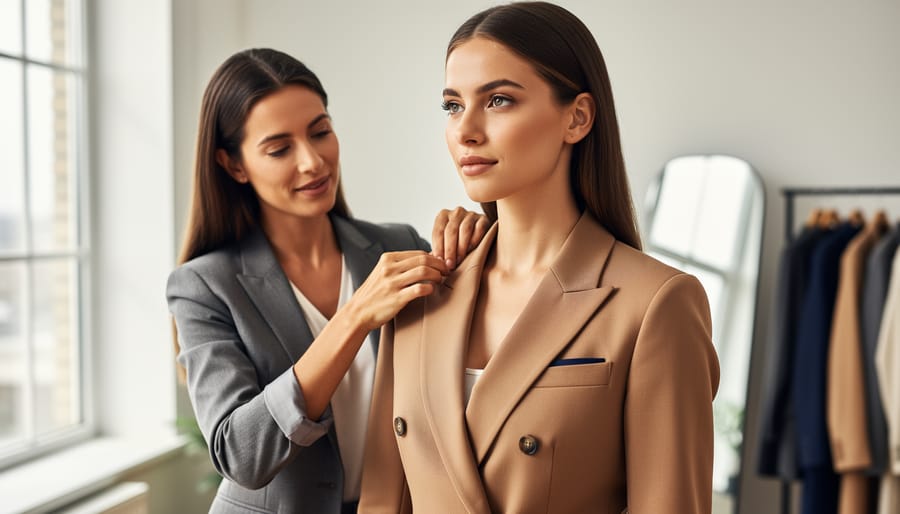
Empowering clients means giving them the tools, knowledge, and confidence to make authentic style choices that reflect who they truly are, rather than prescribing a one-size-fits-all approach. When you honor someone’s individuality in fashion, you shift the dynamic from stylist as authority figure to stylist as collaborative partner. This creates genuine self-determination because the client learns to trust her own instincts, understand what works for her unique body and lifestyle, and build a wardrobe that feels like home.
The transformation happens when we stop asking clients to fit into trending aesthetics and instead help them discover their personal style language. A woman in her thirties juggling career demands doesn’t need another capsule wardrobe formula. She needs someone to help her identify the silhouettes that make her feel powerful, the colors that light up her complexion, and the pieces versatile enough to move through her real life. That specificity is what builds confidence.
True empowerment in styling relationships comes from teaching, not just telling. When you explain why a certain neckline balances proportions or how fabric choice affects comfort throughout the day, you’re equipping someone with knowledge she’ll use long after your session ends. You’re helping her become her own best stylist.
This approach requires letting go of rigid rules and trusting that each woman knows herself better than any trend report ever could. The results speak for themselves: clients who walk taller, make faster getting-dressed decisions, and radiate the kind of confidence that only comes from wearing clothes that feel authentically theirs.
Why Cookie-Cutter Fashion Leaves You Feeling Empty

You’ve scrolled through Instagram, saved all the outfit inspiration, and bought the pieces everyone says are “must-haves” this season. Yet when you stand in front of your closet, nothing feels right. You’re surrounded by clothes that look great on the hanger but leave you feeling disconnected when you actually wear them. That’s not a you problem, it’s the fundamental flaw of cookie-cutter fashion.
Trend-driven styling operates on a seductive but hollow promise: wear what’s current, and you’ll feel confident. The reality? When you dress for what’s trending rather than what resonates with who you are, you’re essentially performing someone else’s vision of style. Research confirms the strong connection between clothing and self-confidence showing that authentic self-expression through fashion creates deeper, more sustainable confidence than following external standards ever could.
One-size-fits-all approaches ignore the simple truth that your life, body, and personality aren’t interchangeable with anyone else’s. When a stylist applies the same formula to every client, the same “flattering” cuts, the same color palette, the same styling rules, they’re essentially saying your individuality doesn’t matter. You end up with outfits that might photograph well but feel like costumes in your actual life.
The emotional disconnect runs deeper than discomfort. When your wardrobe doesn’t mirror who you really are, getting dressed becomes an exercise in self-doubt rather than self-expression. You second-guess your choices, feel like an imposter, and waste mental energy trying to inhabit someone else’s aesthetic. That exhausting gap between how you present yourself and how you feel inside? That’s where confidence goes to die, replaced by the nagging sense that you’re playing dress-up instead of showing up as yourself.
The Foundation: Understanding Your Personal Style DNA
Looking Beyond Body Type to Body Relationship
Traditional fashion advice often starts with “what’s your body type?”, followed by a list of supposed problems to hide and assets to emphasize. This approach assumes your body needs correction rather than celebration, and it’s precisely why so many women feel defeated before they even try something on.
Shifting to a body relationship framework changes everything. Instead of categorizing yourself as a shape that needs managing, you ask: What parts of my body do I feel most powerful in? What fabrics and cuts make me feel comfortable moving through my day? Where do I feel constricted, and where do I feel free?
Your body relationship is personal and dynamic. You might love how you feel in sleeveless tops because your arms feel strong. You might prefer mid-rise jeans not because of any rule about proportions, but because they don’t dig in when you sit at your desk for hours. You might gravitate toward wrap dresses because the adjustable fit makes you feel in control rather than squeezed into someone else’s idea of your size.
This isn’t about ignoring practical fit considerations. It’s about starting from a place of respect and curiosity rather than correction. When you approach your wardrobe asking “What makes me feel like myself?” instead of “What hides my flaws?”, you create a foundation for genuine confidence that lasts beyond the mirror.
Your Lifestyle Shapes Your Style (And That’s Perfect)
Your wardrobe should work for the life you actually live, not the life a magazine tells you to aspire to. If you spend weekends hiking and weekday evenings volunteering, clothes that demand dry cleaning and delicate handling create stress, not confidence. That’s not a failing on your part, it’s a mismatch between your reality and someone else’s fantasy.
Think about what fills your days: Maybe you’re chasing toddlers, leading client meetings from your home office, or balancing studio classes with gallery openings. Each of these lives needs different things from a wardrobe. The mom who feels powerful in washable ponte pants that move with her isn’t compromising style, she’s honoring what matters to her.
Your priorities deserve to shape your choices too. If sustainability matters deeply to you, a capsule of quality secondhand pieces might bring more joy than a closet of fast fashion. If creative expression fuels you, mixing vintage finds with contemporary pieces becomes your signature, not a styling mistake.
When your wardrobe reflects how you actually spend your time and what you genuinely value, getting dressed stops feeling like a daily compromise. It becomes an affirmation.
The Colors, Textures, and Silhouettes That Make You Feel Like You
Your wardrobe becomes powerful when it speaks your language, and that language is written in the colors that energize you, the textures you can’t help touching, and the silhouettes that make you stand taller.
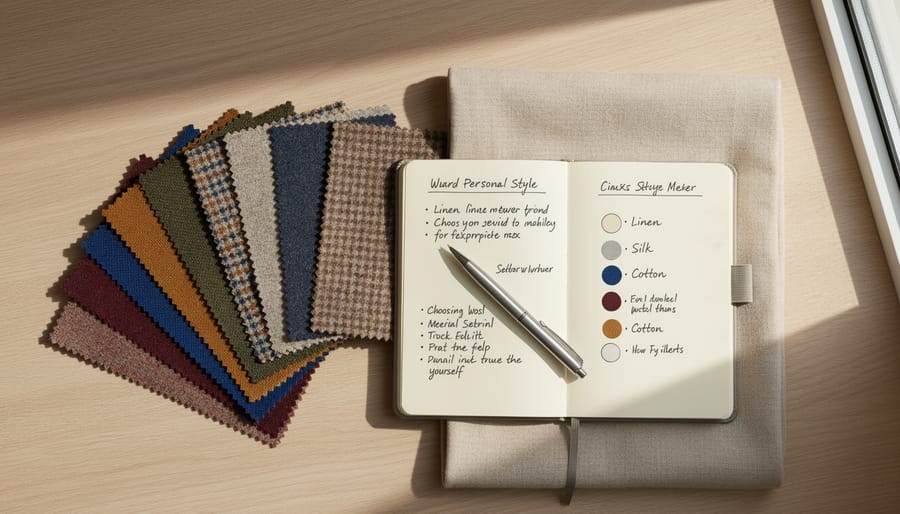
Maybe you come alive in jewel tones but feel washed out in pastels. Perhaps you reach for structured blazers every time because that clean line makes you feel capable, or you gravitate toward flowing fabrics because movement feels like freedom. These aren’t random preferences, they’re clues to your authentic style.
Pay attention to what you choose on the days you feel most yourself. Notice which pieces in your closet you touch first, which colors make you smile when you catch your reflection. These elements aren’t arbitrary; they’re the building blocks of a wardrobe that genuinely reflects who you are, creating that instant recognition of “this is me” every time you get dressed.
Taking Control: Practical Ways to Honor Your Individuality
Asking the Right Questions When Shopping
Standing in a fitting room, the first question most of us ask is “Does this look good?” But that question hands power to external validation, what fashion magazines say looks good, what Instagram influencers wear, what strangers might think.
Empowered shopping starts with different questions: “Does this feel like me?” is a game-changer. When you hold up that blouse, ask yourself if it reflects something true about who you are. Does it match how you want to move through your day? Can you imagine wearing it without constantly adjusting or feeling self-conscious?
Try these instead of the mirror-obsessed defaults: “Would I choose this if no one else saw me in it?” strips away the performance aspect of dressing. “Does this make me feel comfortable and capable?” focuses on function and confidence. “Am I buying this because I genuinely love it, or because I think I should?” catches those purchases driven by trends rather than truth.
The right questions transform shopping from seeking approval into an act of self-knowledge. Your answers matter more than any fashion rule ever could.
Creating Your Personal Style Rules (Not Fashion’s Rules)
You don’t need permission from fashion magazines to decide what works for you. Your personal style rules should solve your problems and celebrate your preferences, not chase trends or follow someone else’s formula.
Start by identifying your non-negotiables. Maybe you refuse to wear anything that requires constant adjusting, or perhaps you only invest in pieces you can wash at home. These practical boundaries aren’t limiting, they’re liberating because they filter out choices that would frustrate you anyway.
Next, establish your comfort zones with flexibility built in. You might love bold prints but feel overwhelmed in head-to-toe patterns, so your rule becomes “one statement piece per outfit.” Or you adore heels for special occasions but need flats for everyday life, both can coexist in your wardrobe without contradiction.
Document what genuinely makes you feel good. If you reach for the same neckline repeatedly, that’s data worth honoring. If certain colors make you feel powerful while others drain your energy, trust that instinct over seasonal palettes.
Your rules can evolve as you do. The goal isn’t rigid restriction, it’s creating a framework that simplifies decisions and amplifies what makes you feel authentically yourself.
Working With Stylists on Your Terms
Finding the right stylist is like finding a good therapist, the relationship only works when you feel heard, not just advised. You’re not hiring someone to transform you into their vision of the perfect client. You’re bringing in an expert to help you articulate and refine what you already know feels right.
Before your first consultation, spend time clarifying your non-negotiables. What clothing makes you feel uncomfortable, no matter how flattering someone says it is? Which pieces in your current wardrobe make you feel most like yourself? What compliments have resonated with you, and which left you cold? These answers are your compass.
During consultations, notice how your stylist responds to your preferences. A good one asks questions before offering solutions. They listen when you say “I love this color but hate how stiff the fabric feels” instead of dismissing your concerns. They present options that stretch you slightly while respecting your boundaries, they don’t push you toward trends that contradict everything you’ve said matters to you.
You should leave every session feeling more confident in your own judgment, not more dependent on theirs. The goal isn’t to have someone dress you forever; it’s to understand yourself better through their expertise. If you’re second-guessing your instincts more after working together, that’s a sign the partnership isn’t serving you. Trust that discomfort, it’s telling you something important about fit, and not the clothing kind.
When Individuality Meets Occasion: Staying True to You
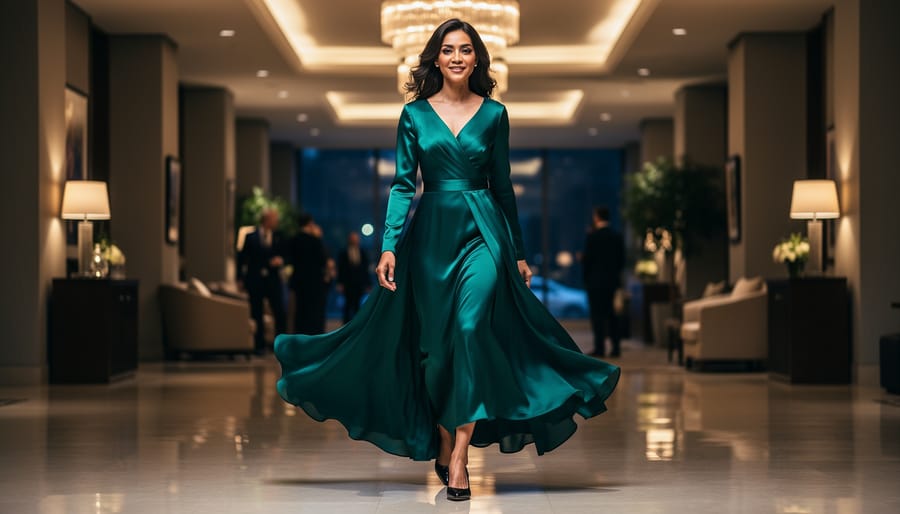
Special occasions shouldn’t mean abandoning everything that makes you feel like yourself. The pressure to conform to formal expectations often creates anxiety rather than excitement, but you can honor both the event and your personal style without compromise.
The key is understanding that dress codes are guidelines, not uniforms. When you navigate dress codes with confidence, you’ll see they typically define level of formality and appropriateness, not your exact aesthetic. Black-tie doesn’t demand cookie-cutter elegance. A garden wedding doesn’t require you to wear florals if they’re not your thing. You get to interpret the expectations through your own lens.
Start by identifying which elements of your everyday style translate beautifully to formal settings. If you live in tailored separates, consider a sophisticated jumpsuit instead of a traditional gown. Love bold colors? There’s no rule saying wedding guests must wear pastels. When you choose a flattering gown for yourself or as a guest, select shapes and fabrics that align with what already makes you feel powerful.
Accessories become your secret weapon for maintaining individuality at formal events. Even if you’re working within a more conservative silhouette, you can accessorize for individuality through statement jewelry, unexpected shoes, or a handbag that reflects your personality. These details remind you that you’re still you, just dressed for the occasion.
Sometimes the most empowering choice is opting out of conventional options entirely. If vintage speaks to your soul, you might choose vintage in Toronto boutiques where one-of-a-kind pieces guarantee you won’t look like everyone else.
The confidence you bring to an event matters far more than perfect adherence to unspoken fashion rules. When you feel authentic in what you’re wearing, that ease translates into genuine presence and enjoyment rather than self-consciousness about whether you got the assignment right.
The Confidence That Comes From Owning Your Look
When you get dressed in something that genuinely feels like you, the shift is immediate and tangible. Your posture straightens. You make eye contact more naturally. That constant mental chatter about whether you look right simply quiets down, freeing up mental energy for what actually matters in your day.
This isn’t vanity or superficiality. The confidence that comes from owning your look is rooted in alignment between your inner self and outer presentation. When those two match, you stop performing and start simply being. You enter meetings thinking about your ideas, not your outfit. You have conversations where you’re fully present instead of wondering if you should have worn something different.
Women who embrace their authentic style often report unexpected ripple effects. They speak up more readily in professional settings. They set boundaries more clearly in personal relationships. They pursue opportunities they might have previously dismissed as “not for someone who looks like me.” This happens because dressing authentically is fundamentally an act of self-respect, and that self-respect becomes your baseline in other interactions.
The psychological relief is equally powerful. When you’re not constantly comparing yourself to fashion magazine spreads or apologizing for your body through your clothing choices, you reclaim enormous emotional bandwidth. The outfit you put on becomes supportive infrastructure rather than a source of anxiety.
This confidence is also remarkably resilient. Unlike the temporary boost from a trendy purchase or compliment, confidence rooted in authenticity doesn’t evaporate when styles change or bodies shift. You’ve built something sustainable because it’s based on who you are, not external validation.
Your style isn’t something that needs fixing or conforming to someone else’s vision of what looks good. It’s a reflection of who you are, what you value, and how you want to show up in the world. When you dress in ways that honor your individuality rather than chase fleeting trends or arbitrary standards, you reclaim something powerful: the right to feel confident on your own terms.
The journey to authentic style isn’t about perfection. It’s about curiosity, self-acceptance, and the willingness to trust your own preferences. Every time you choose comfort over constriction, personality over conformity, or what genuinely feels like you over what you’re “supposed” to wear, you’re practicing empowerment.
If you’re ready to explore what your most authentic wardrobe looks like, personalized styling consultations can help you clarify your vision and build confidence in your choices. But remember: the expert on your style has always been you. A good consultant simply helps you see what you already know about yourself more clearly.
Your uniqueness isn’t a styling challenge to overcome. It’s your greatest asset.