
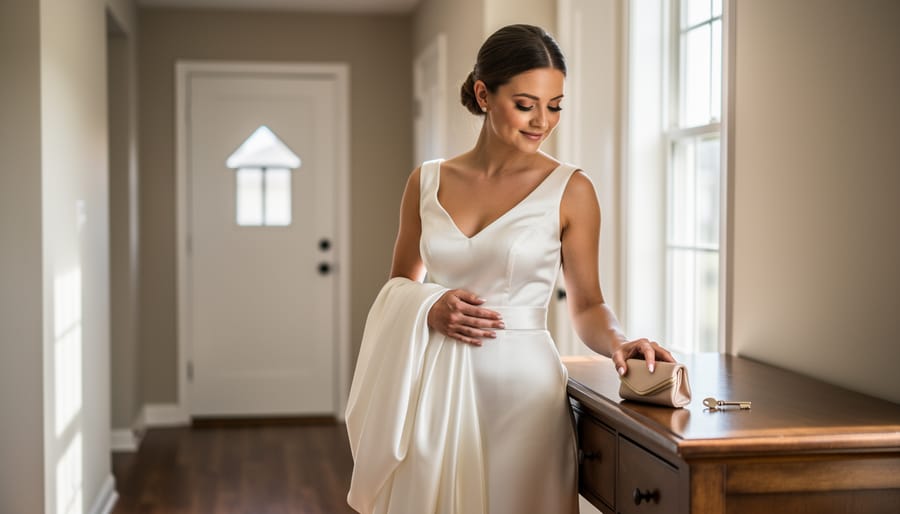
Inheriting property during your engagement can feel overwhelming, especially when you’re trying to figure out how to fund the wedding of your dreams without compromise. The truth is, you can sell inherited house fast and turn that unexpected asset into something that truly serves your life right now, including a wedding dress budget that lets you walk down the aisle feeling absolutely radiant.
Let’s be real: wedding dress shopping should be about finding the gown that makes you feel like the most authentic version of yourself, not settling because the numbers don’t add up. If you’ve recently inherited a home, you’re sitting on a financial resource that could transform your wedding planning experience. Instead of viewing this property as a burden or an obligation to hold onto, consider it an opportunity to invest in your future together.
The average wedding dress budget varies wildly, from a few hundred pounds to several thousand, but what matters most is finding something that aligns with your vision and your values. For many brides in 2026, that means having the freedom to explore custom designs, work with expert stylists, or splurge on those perfect alterations that make a dress truly yours. Selling an inherited property isn’t just about freeing up cash. It’s about giving yourself permission to prioritize what matters during this incredibly special time in your life.
This guide will walk you through the practical steps of selling inherited property specifically to fund your wedding dress dreams, while also addressing the emotional side of letting go of family assets. You deserve to feel empowered in every decision you make, from property sales to saying yes to the dress.
The Reality of Inherited Property and Wedding Dreams
You’ve inherited a house. You’re planning a wedding. And suddenly, you’re caught between honoring the past and building your future, all while staring down a wedding dress budget that feels impossibly tight.
This isn’t just about real estate and retail. It’s about the weight of family expectations sitting on your shoulders while you scroll through wedding dress photos that seem financially out of reach. Maybe the house belonged to a grandparent who always talked about “keeping it in the family.” Maybe you inherited it from a parent and the thought of selling feels like letting go of something precious. The guilt is real, and it’s heavy.
Here’s what nobody tells you: inheriting property during a major life transition creates a unique kind of emotional whiplash. You’re grieving, planning, budgeting, and making massive decisions all at once. That house represents memories, yes, but it also represents capital that’s sitting idle while you’re trying to fund one of the most significant days of your life on a shoestring.
Creating new family traditions isn’t about forgetting the old ones, it’s about honoring yourself enough to build the future you actually want.
Let’s talk money. The average wedding dress budget in 2026 hovers around $1,800, but many women find themselves allocating just $500 to $1,000 for a dress when other wedding costs pile up. Meanwhile, that inherited property could be worth tens or hundreds of thousands of dollars. The math is stark, but the emotional calculus is what keeps you frozen.
Consider this reframe: your grandmother didn’t save and invest in property so you could feel trapped by obligation. She built equity so her family could thrive. Using that inheritance to walk down the aisle in a dress that makes you feel absolutely radiant? That’s not dishonoring her memory. That’s stepping into your own power with the foundation she helped create.
The house is an asset. Your wedding is a beginning. These two things can work together.
Understanding Your Inherited House’s True Value
Before you can envision that dream dress, you need to understand what you’re actually working with financially. Getting a clear picture of your inherited house’s value isn’t just about satisfying curiosity; it’s about making informed decisions that will shape your wedding budget.
Start with a professional appraisal. This typically costs between $300 and $600 but gives you an objective assessment of your property’s current market value. An appraiser will examine the home’s condition, compare it to recent sales in the area, and factor in any needed repairs or updates. This number becomes your baseline for planning.
Don’t stop there, though. Talk to at least two or three local real estate agents who specialize in your property’s neighborhood. They’ll provide comparative market analyses (CMAs) at no cost, showing what similar homes have actually sold for recently. These conversations also help you gauge who you might want to work with if you decide to sell.
In 2026’s real estate market, understand that proceeds aren’t the same as sale price. After accounting for agent commissions (typically 5-6% of the sale price), closing costs, any outstanding mortgage or liens, property taxes, and repairs needed to make the house marketable, you might net 85-92% of the final sale price. If the house needs significant work, that percentage drops further.
Timeline matters when you’re wedding planning. In a balanced market, expect three to six months from listing to closing, though this varies dramatically by location and property condition. Hot markets might move faster; fixer-uppers or rural properties could take longer. If your wedding is eight months away and you want dress shopping funds in hand, you need to start this process now, not later.
Consider getting a pre-listing inspection too. Spending $400-500 upfront to identify issues prevents surprises that could derail your timeline or reduce your proceeds. You’ll know exactly what you’re dealing with and can price accordingly or address problems before listing.
The clearer your financial picture, the more confidently you can plan not just for a dress, but for the complete bridal experience you deserve.
What Your Wedding Dress Budget Could Really Look Like
Let’s talk real numbers. The average wedding dress in 2026 costs between $1,800 and $2,500, but that figure only tells part of the story. When you’re working with inherited house proceeds, you’re not shopping with averages in mind, you’re reimagining what’s possible.
At the lower end, a $500 to $1,000 budget gets you beautiful off-the-rack options from bridal chains and online retailers. These dresses work perfectly for intimate weddings or second marriages, but they often require significant alterations and leave little room for the personalized touches that make a dress feel truly yours.
Step up to $2,000 to $4,000, and you enter the sweet spot where quality construction meets style variety. This range opens doors to established bridal boutiques, better fabrics, and dresses that photograph beautifully. You’ll have enough left over for professional alterations and maybe one statement accessory.
Here’s where inherited house proceeds change the conversation entirely:
| Budget Tier | Dress Options | Styling Possibilities |
|---|---|---|
| $500-$1,000 | Off-the-rack, limited alterations | Basic accessories, DIY touches |
| $2,000-$4,000 | Boutique selections, quality fabrics | Professional alterations, one feature piece |
| $5,000-$8,000 | Designer names, custom modifications | Complete accessories, expert styling |
| $10,000-$15,000+ | Haute couture, bespoke creation | Full bridal experience, multiple looks |
When you’re working with $5,000 to $8,000 from your house sale, designer names become accessible. We’re talking Vera Wang, Monique Lhuillier, or emerging designers who can modify existing pieces to reflect your vision. This budget supports a complete bridal styling package where unique style ideas from consultations translate into reality through expert alterations, matching accessories, and confidence-building fittings.
Above $10,000, you enter bespoke territory. Custom gowns designed specifically for your body, your story, your wedding vision. This isn’t extravagance, it’s investing in a garment that will photograph flawlessly, move with you through every moment, and require zero compromises. You’ll have dress code decoded through professional guidance that ensures your entire bridal look coheres beautifully.
The real transformation inherited house proceeds offer isn’t just moving up a tier. It’s eliminating the word “settle” from your wedding dress conversation entirely. You can afford multiple fittings, backup options, seasonal considerations, and the kind of personalized styling consultation that turns a beautiful dress into your dress.

The Selling Process: What to Expect When You Decide to Sell
Once you’ve decided to sell, the process unfolds in fairly predictable stages, though timelines can vary based on your local market and the property’s condition. Expect the entire journey from decision to closing to take anywhere from three to six months under normal circumstances.
Your first step is settling the estate legally. Before you can sell, you’ll need clear title to the property, which means completing probate if it hasn’t finished yet. Some estates move through probate in weeks; others take months. If you inherited jointly with siblings or other family members, you’ll need everyone’s agreement to sell, preferably documented in writing before you list the property.
Next comes choosing how to sell. Most people work with a real estate agent who understands inherited properties and their unique considerations. A good agent will handle pricing strategy, staging recommendations, marketing, and negotiations while you focus on wedding planning. Commission typically runs 5-6% of the sale price, but their expertise usually means a faster sale at a better price. If the house needs significant repairs you can’t afford upfront, cash buyers or “we buy houses” companies offer speed and convenience in exchange for lower offers, sometimes 70-80% of market value.
The tax piece matters more than many people realize. Inherited property gets what’s called a “stepped-up basis,” meaning its value for tax purposes is what it was worth when you inherited it, not what the original owner paid decades ago. If you sell relatively soon after inheriting, you’ll likely owe little or no capital gains tax. Hold it for years while it appreciates, and you could face taxes on that growth. A tax professional can run the numbers for your specific situation, and that consultation fee pays for itself in clarity and potential savings.
Timeline-wise, build in buffer room. Finding the right agent might take two weeks. Preparing the house for listing, another two to four weeks if minor repairs are needed. Once listed, average time on market varies wildly by location, but plan for 30-60 days in a balanced market. Closing takes another 30-45 days after accepting an offer.
The emotional weight of managing a house sale while planning your wedding is real. Consider designating one day per week as your “house day” to handle calls, decisions, and paperwork, keeping the rest of your time focused on wedding joy. Your agent should be someone who respects your bandwidth and communicates efficiently. This season of your life is already full; the right professionals make the process feel manageable rather than consuming.
Beyond the Dress: How Sale Proceeds Can Transform Your Wedding Experience
The dress is just the beginning of your complete bridal look, and when you’re working with inherited house proceeds, you have the breathing room to create something truly transformative. That financial freedom means you can invest in the full styling experience that brings your vision to life, rather than cobbling together a look from whatever’s left in your budget after the dress itself.
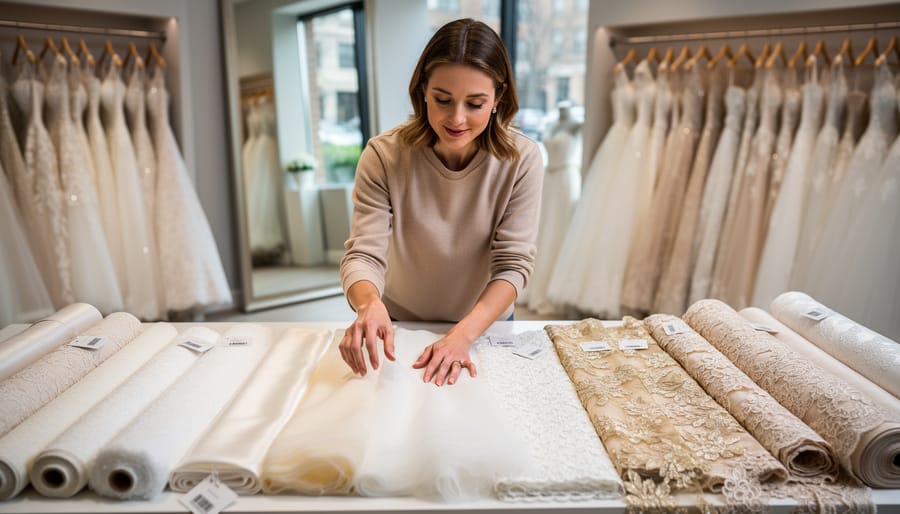
Professional alterations transform a beautiful gown into your perfect fit. Instead of settling for minimal adjustments, you can afford the detailed work that makes a dress look custom-made for your body. We’re talking about intricate bustle systems that actually work with your reception plans, structural adjustments that enhance your silhouette, and hand-finishing details that elevate the overall effect. This level of tailoring is where off-the-rack becomes extraordinary.
Accessories deserve more than afterthought status. With adequate funds, you can choose pieces that genuinely complement your dress rather than whatever’s affordable. The right veil, jewelry, shoes, and undergarments all contribute to how confident you feel walking down the aisle. Boost your confidence by investing in quality pieces that photograph beautifully and feel authentic to your style, whether that means vintage-inspired accessories or trendsetting designs that reflect your personality.
The consultation process itself becomes an experience rather than a rushed transaction. You can work with stylists who take time to understand your vision, body, and comfort level. Multiple fittings, trial runs with your complete look, and adjustments based on how you actually move and feel create the kind of wedding day confidence that photographs can’t fully capture but everyone in the room will notice.
Making Peace with Your Decision
Selling an inherited house carries weight that a typical real estate transaction doesn’t. This was your grandmother’s kitchen, your aunt’s garden, the place where family gathered for decades. The guilt you might feel about selling isn’t irrational, and anyone who dismisses it simply doesn’t understand what inheritance means beyond dollars and square footage.
Here’s what matters: your family member left you this property as a gift, not a burden. They gave you options, not obligations. Would they truly want you to maintain a house you can’t afford or don’t need at the expense of your own happiness and financial wellbeing? Most people who leave property to loved ones hope it improves their lives, whether that means living in it or converting it to something more useful.
Investing in yourself and your wedding isn’t selfish. It’s building the foundation of your marriage and your future. When you allocate funds toward your dress choice and the complete bridal experience you deserve, you’re saying yes to confidence, authenticity, and starting your marriage from a place of joy rather than compromise.
You’re not erasing family history by selling a house. You’re honoring the gift by using it to create your own meaningful moments. The memories stay with you regardless of who holds the deed. Your wedding photos, the confidence you’ll carry walking down the aisle in a dress that makes you feel incredible, the peace of mind from financial stability, these become part of your family story too.
Sometimes the most respectful thing you can do with an inheritance is transform it into something that genuinely serves your life right now.
Selling an inherited house to fund your dream wedding dress isn’t just a financial transaction. It’s a declaration that your future matters, that your vision for your wedding day deserves space, and that honoring yourself is a worthy investment.
The women I’ve worked with who’ve made this choice never regret it. They walk into their consultations with newfound confidence, free from the constant mental math of compromise. They try on dresses they actually love rather than settling for what’s “reasonable.” They invest in styling that makes them feel authentically beautiful instead of squeezed into someone else’s vision.
Your inherited property represents one chapter of your family’s story. Your wedding marks the beginning of another. Using those resources to step into your marriage feeling confident and celebrated isn’t selfish. It’s honoring the fullness of who you are and the life you’re building.
When you’re ready to explore what your dream dress looks like without budget anxiety limiting your imagination, that’s when the real magic happens. You deserve that experience.